AI integration is not a trend. It is a competitive gap, widening every month between businesses that have deployed it and those still evaluating it. Dopamine Studio is an AI business integration agency that builds and ships, not advises and departs.
The AI opportunity audit is for businesses that know AI is relevant but have not yet identified where it applies. Dopamine Studio conducts a structured assessment of where artificial intelligence can reduce cost, increase output, or create competitive advantage specific to that business. The output is a clear map of opportunity: what to build, what to automate, what to defer, ranked by effort and impact. This functions as a discovery product in its own right. No prior engagement required.
Process auditBuild-vs-defer matrixImpact and ROI scoringIntegration requirements briefPrioritized action planMost AI tools are built for everyone, which means they are optimized for no one. Dopamine Studio designs and builds AI agents around the exact requirements of a specific business: the inputs it processes, the decisions it makes, the outputs it produces. The agents ship and operate in production, handling real workload every day.
The most powerful digital experiences adapt. They read context, respond to the user, and deliver something that feels made for that person at that moment. Dopamine Studio builds AI powered web design and product experiences where intelligence is woven into the interaction layer, not bolted on afterward. Recommendation engines that learn. Interfaces that generate rather than present.
Product architecture integrationEvery business has processes that consume time without adding value. Dopamine Studio maps existing workflows, identifies the friction points where AI can act instead of a human, and builds the automation that makes it happen. The targets vary by business: intake, communication, content generation, data processing. The approach is always the same: understand what exists, identify what can change, build what removes the burden.
When an AI engine answers a question about your category, it is pulling from content that was structured to be pulled from. GEO targets generative AI responses. AEO targets direct answer formats across traditional and voice search. Dopamine Studio delivers both: the content structure, the schema markup, and the page architecture that makes a brand the source, not a result below it.


%201.svg)
GEO content auditCitation-ready page architectureFAQ schema markupArticle and Organization schemaQuotable content blocksMonthly GEO reportAn AI business integration agency assesses where artificial intelligence applies to a specific business, then designs and deploys the systems that put it into operation. This can mean custom AI agents, workflow automation, AI-powered product features, or generative engine optimization. Dopamine Studio delivers all of these, with live commercial products as proof of capability rather than a case study deck.
An AI opportunity audit is a structured assessment of where AI can reduce cost, increase output, or create competitive advantage for a specific business. It produces a clear map of what to build, what to automate, and what to defer. At Dopamine Studio, it functions as a standalone discovery product. No prior engagement is required, and it does not obligate further work.
GEO is the practice of structuring content and page architecture so that AI search engines, including ChatGPT, Perplexity, and Google's AI Overviews, cite your brand in generated answers. As search behavior shifts toward AI-generated results, a generative engine optimization service positions a brand to appear in those answers, not only in traditional search rankings. For most businesses, both SEO and GEO are now required.
AEO is the practice of structuring content so that search engines return it directly as an answer, rather than as a link to follow. Featured snippets, People Also Ask results, and voice search responses are all answer engine outputs. The goal is to be the answer, not a result that leads to one. AEO and GEO are increasingly the same discipline applied to two overlapping formats: traditional search engines generating direct answers, and AI engines generating conversational responses.
A custom AI agent project at Dopamine Studio usually runs six to fourteen weeks from scope confirmation to deployment, depending on complexity and integration requirements. Agents with defined inputs, outputs, and a single API connection take less time. Multi-step agents with user-facing interfaces or training on proprietary data take more. Scope is confirmed post-discovery, not estimated upfront.
Yes. AI capabilities can be integrated into an existing site or product without a full rebuild. Common integrations include conversational chatbots, recommendation layers, and content generation tools. The appropriate approach depends on the existing tech stack and what the AI is being asked to do. Dopamine Studio assesses this during the discovery phase before committing to a build approach.
SEO optimizes for placement in traditional search engine results: Google rankings, link-based discovery, organic traffic. GEO optimizes for citation in AI-generated answers: the response a user receives when they ask ChatGPT or Perplexity a specific question. Both matter. For brands competing in 2026, neither is optional, and they are most effective when planned together.
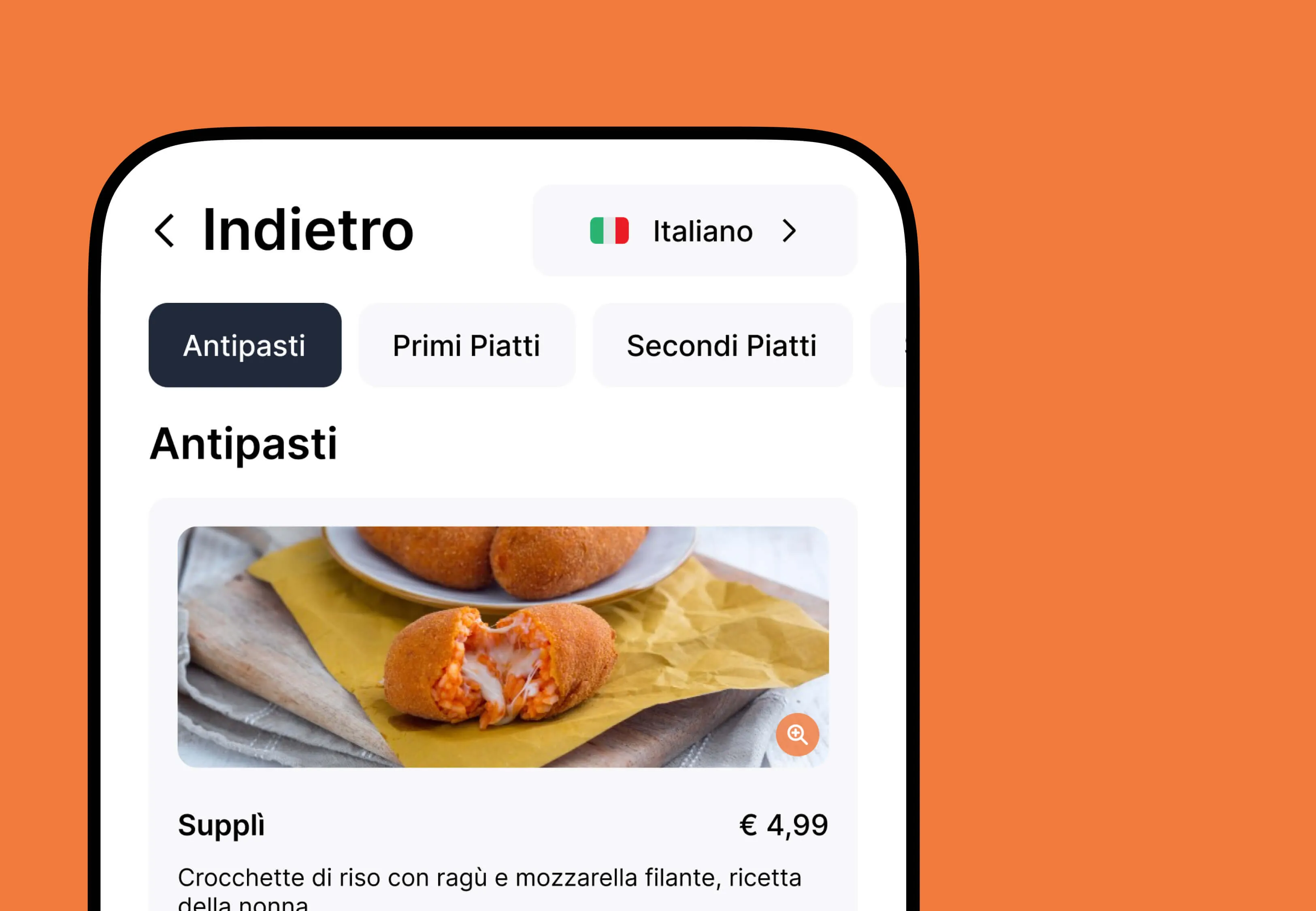
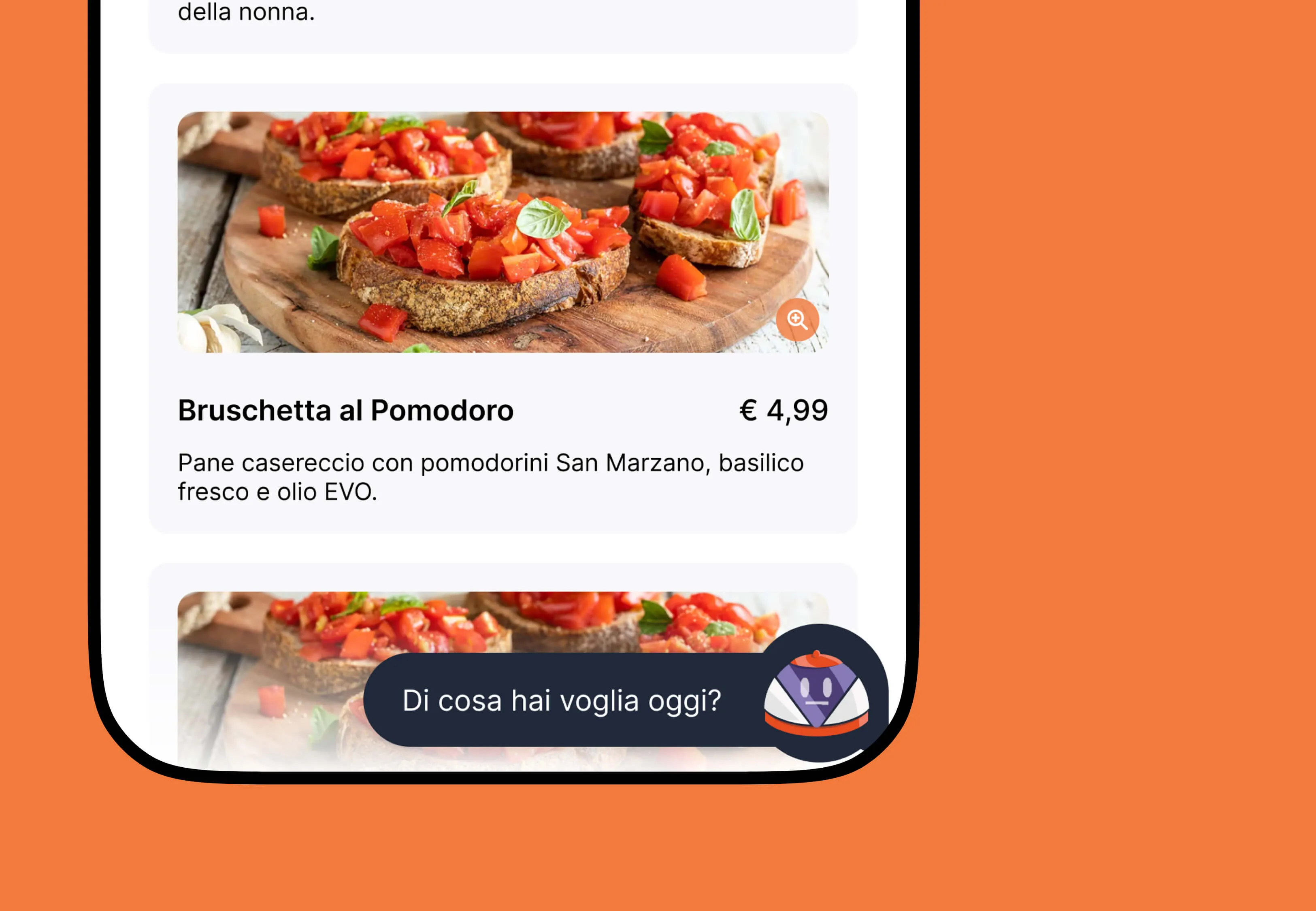
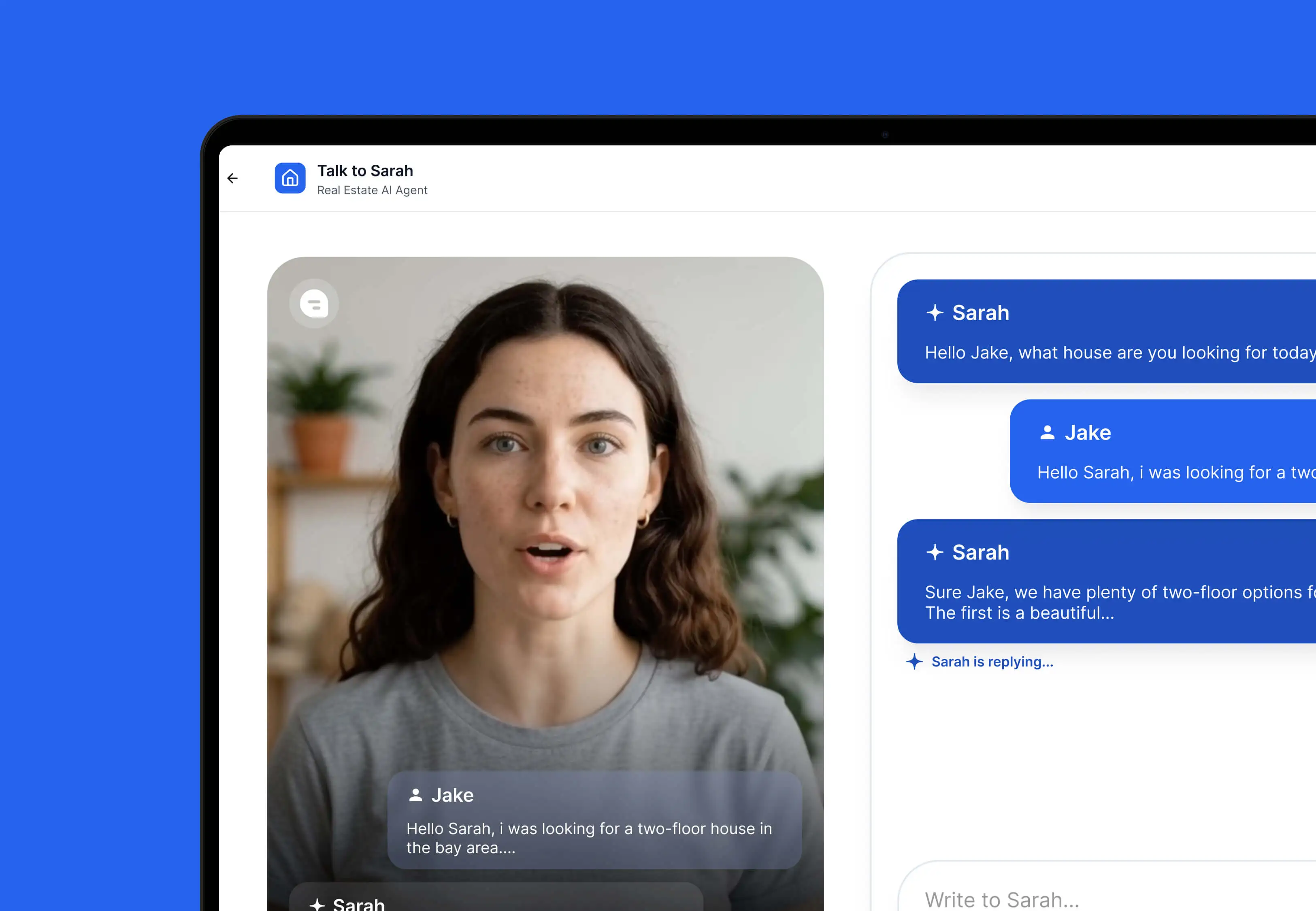
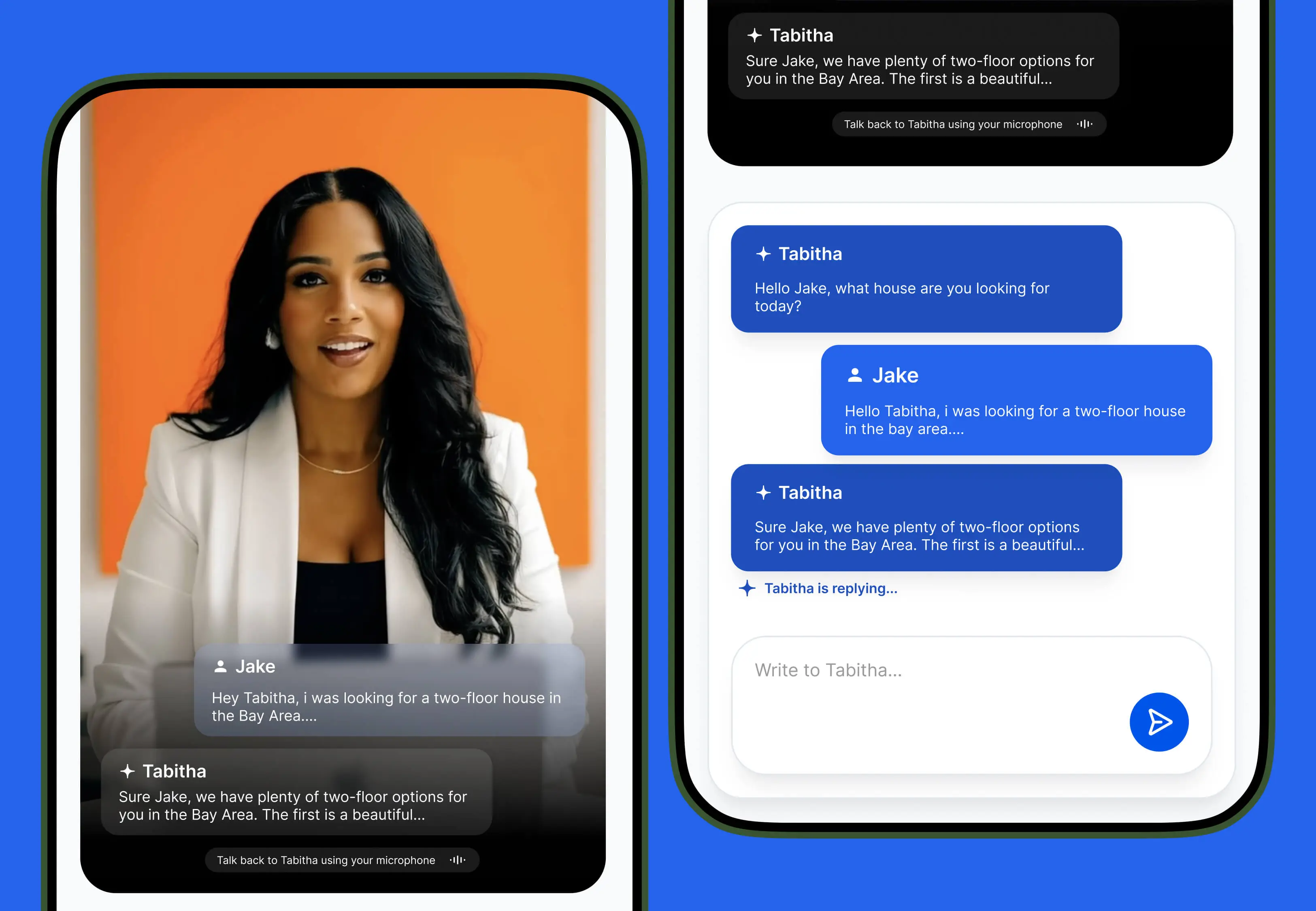
Both. EatAssistant is a live commercial SaaS product with an integrated AI chatbot built on the OpenAI API. Virtual Assistant is an AI-backed spatial real estate experience. N0VA is the studio's own site chatbot, context-limited to site content and maintained as a live capability demonstration. These are shipped products in operation, not archived case studies.
Tell Dopamine Studio what you are building. The brief takes three minutes.
A few details about the project is enough to get the conversation started.



Fueling Brands.
%20(1).svg)

.webp)
.webp)
.webp)
.webp)