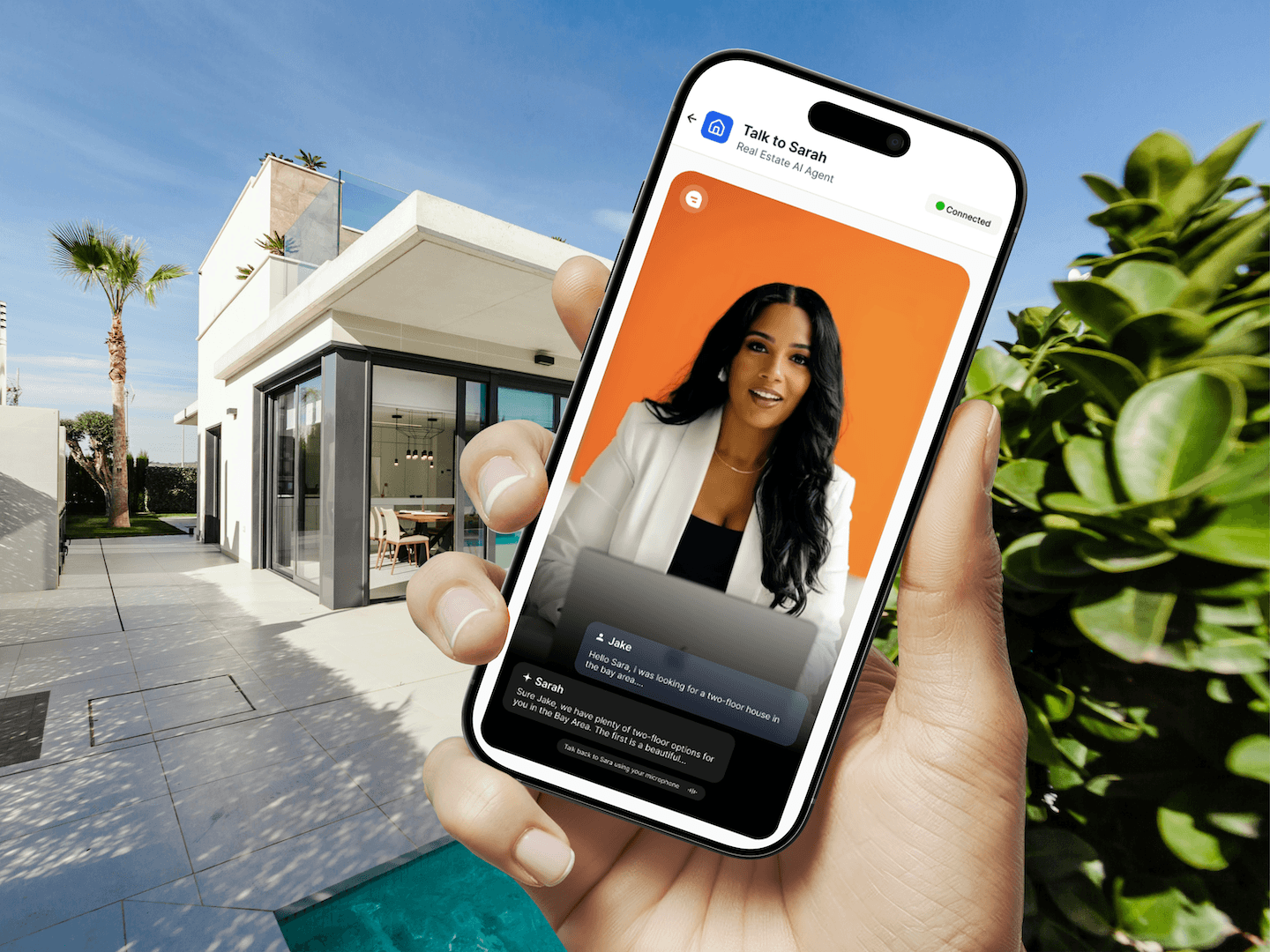
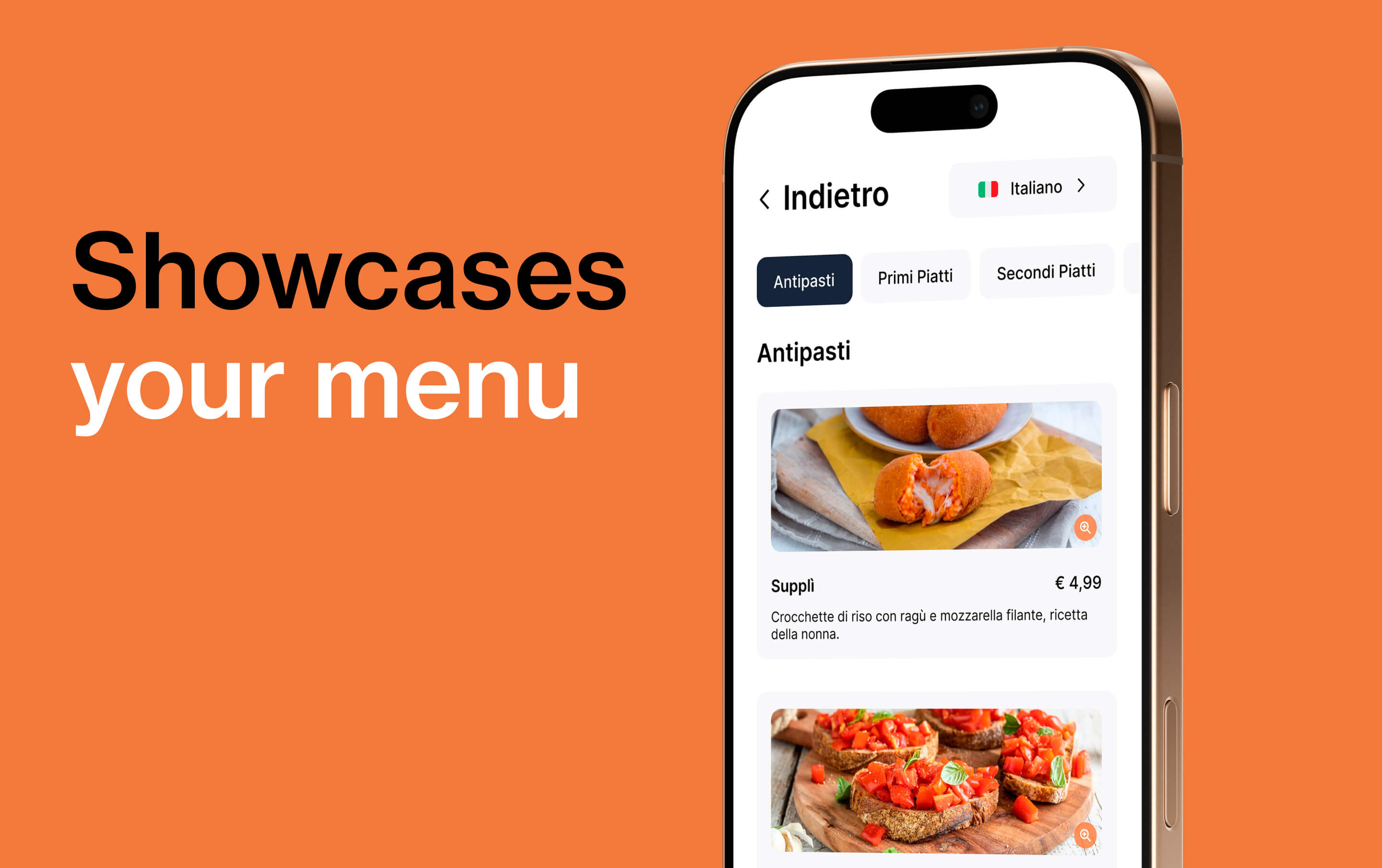
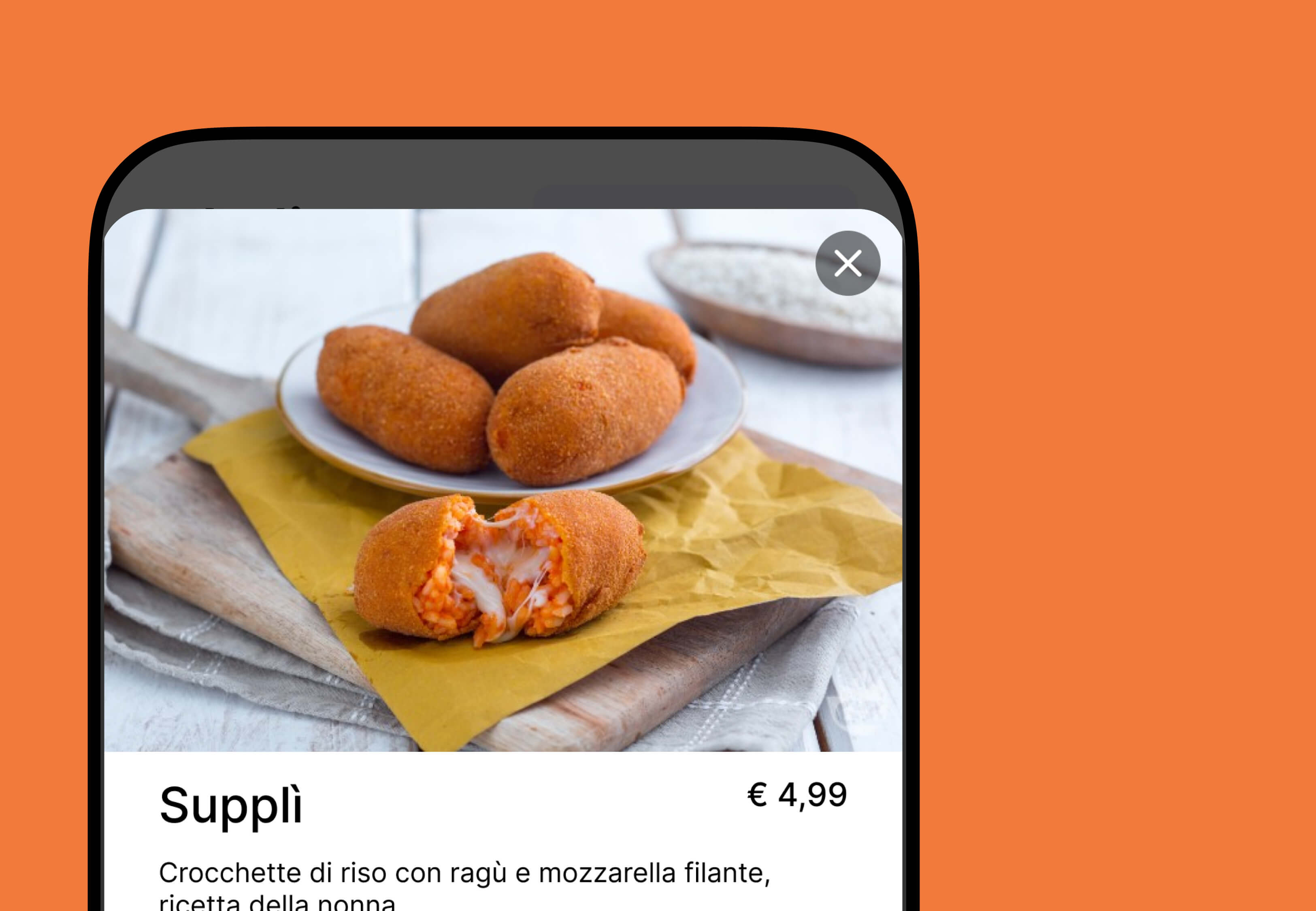
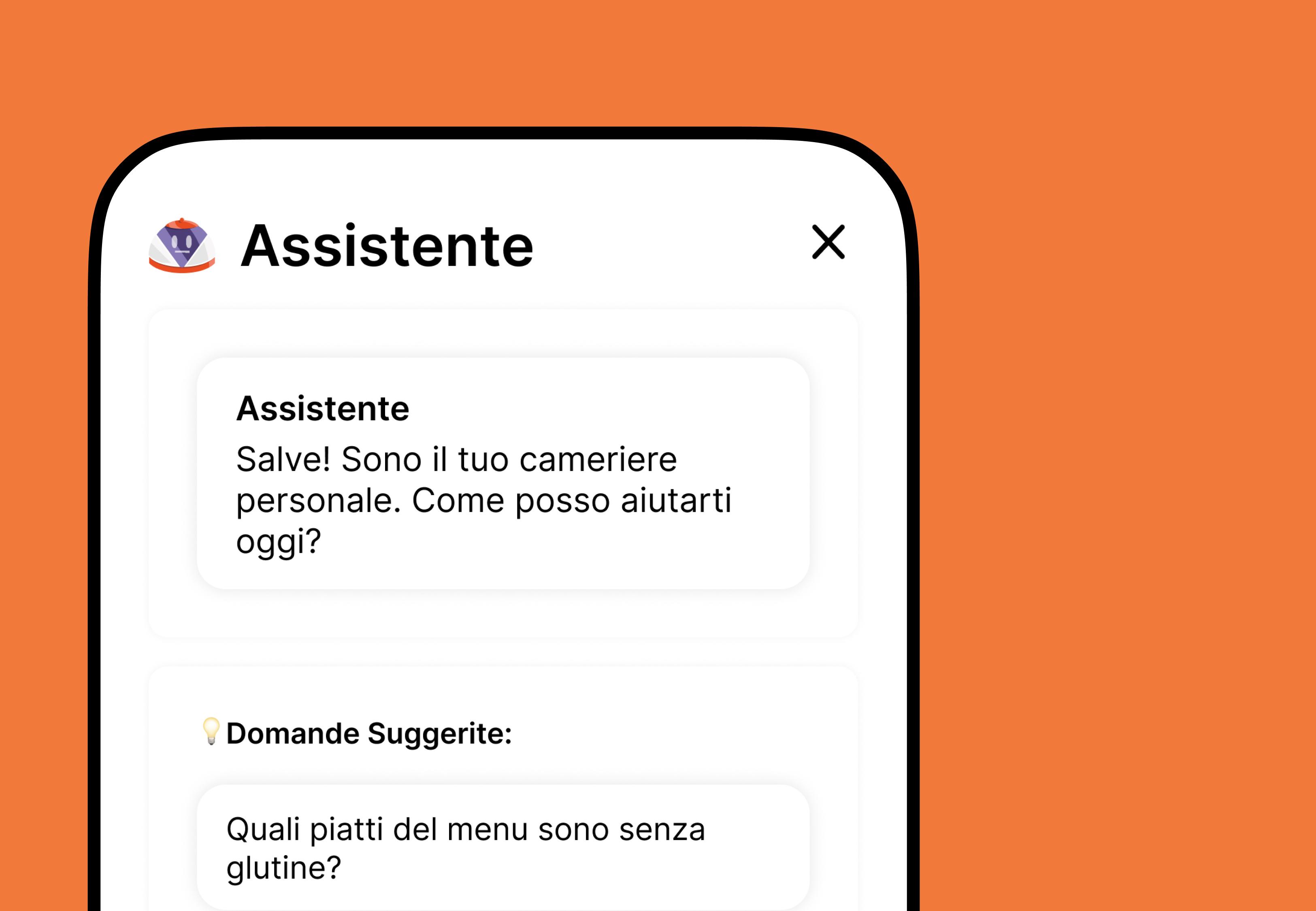
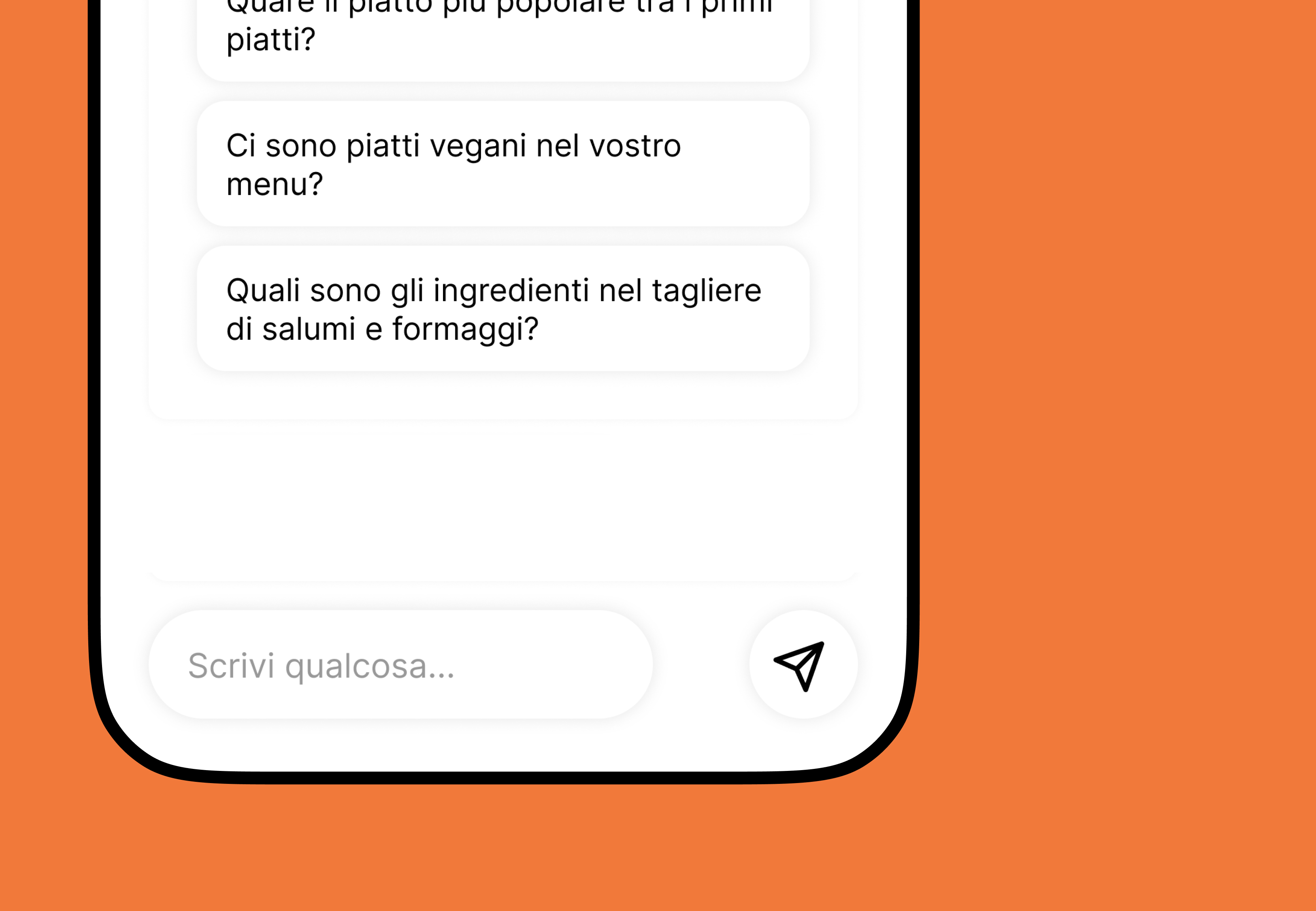
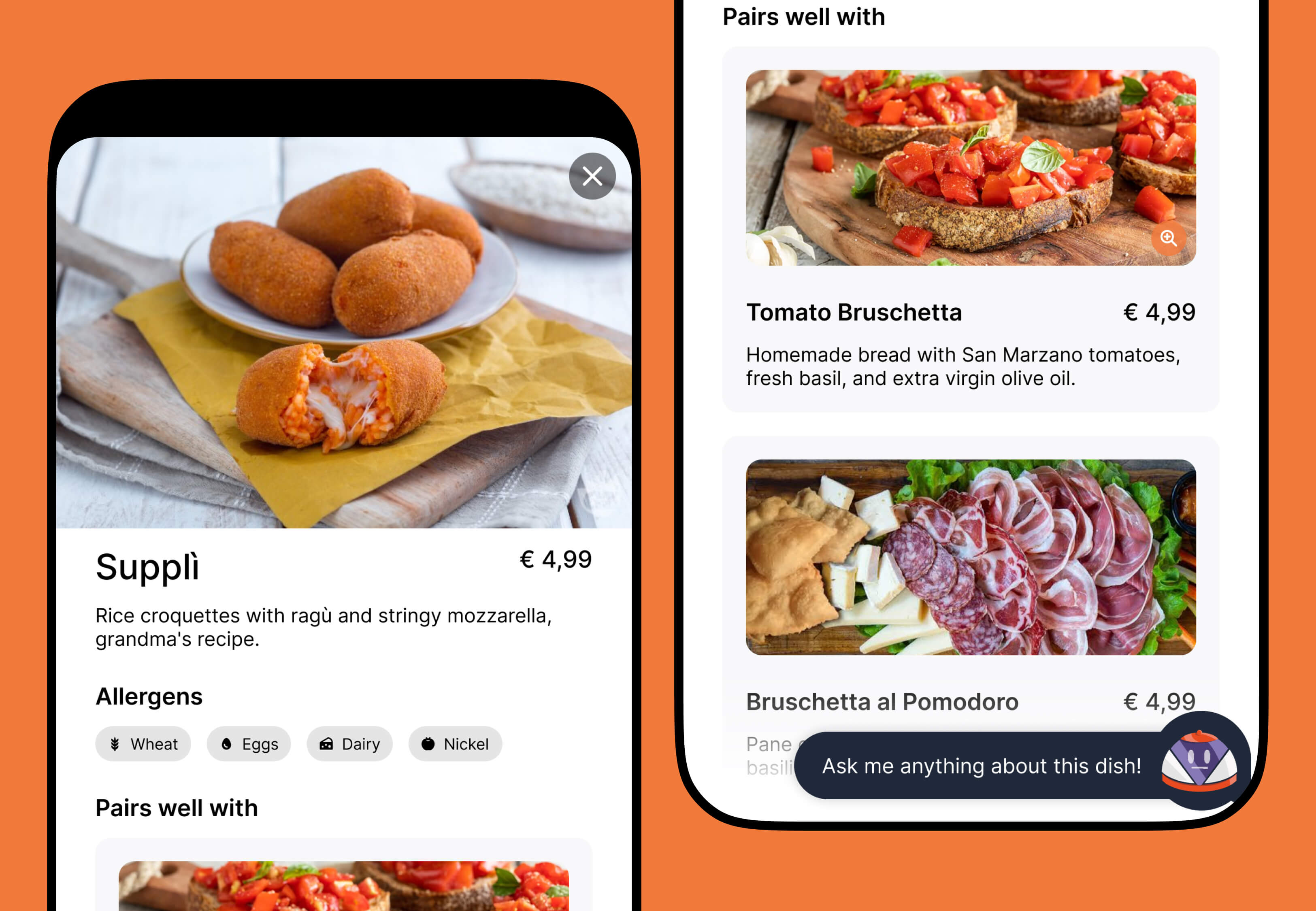
EatAssistant is a SaaS platform for the Italian restaurant market, built end to end as a studio venture. It swaps the static PDF menu for an interactive sales channel: an AI waiter that advises, upsells, and translates on the spot, with no app to download and no account to create.
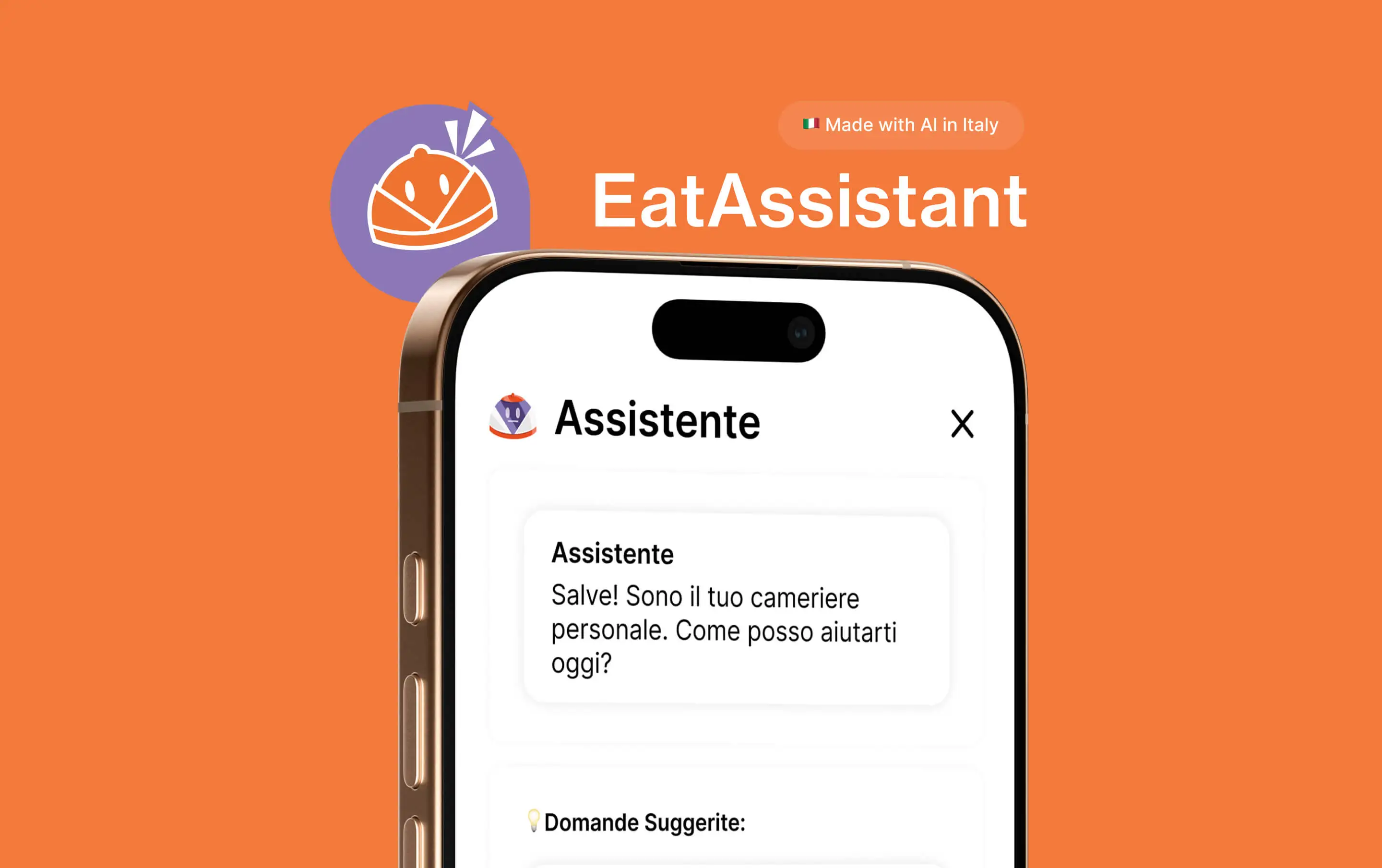
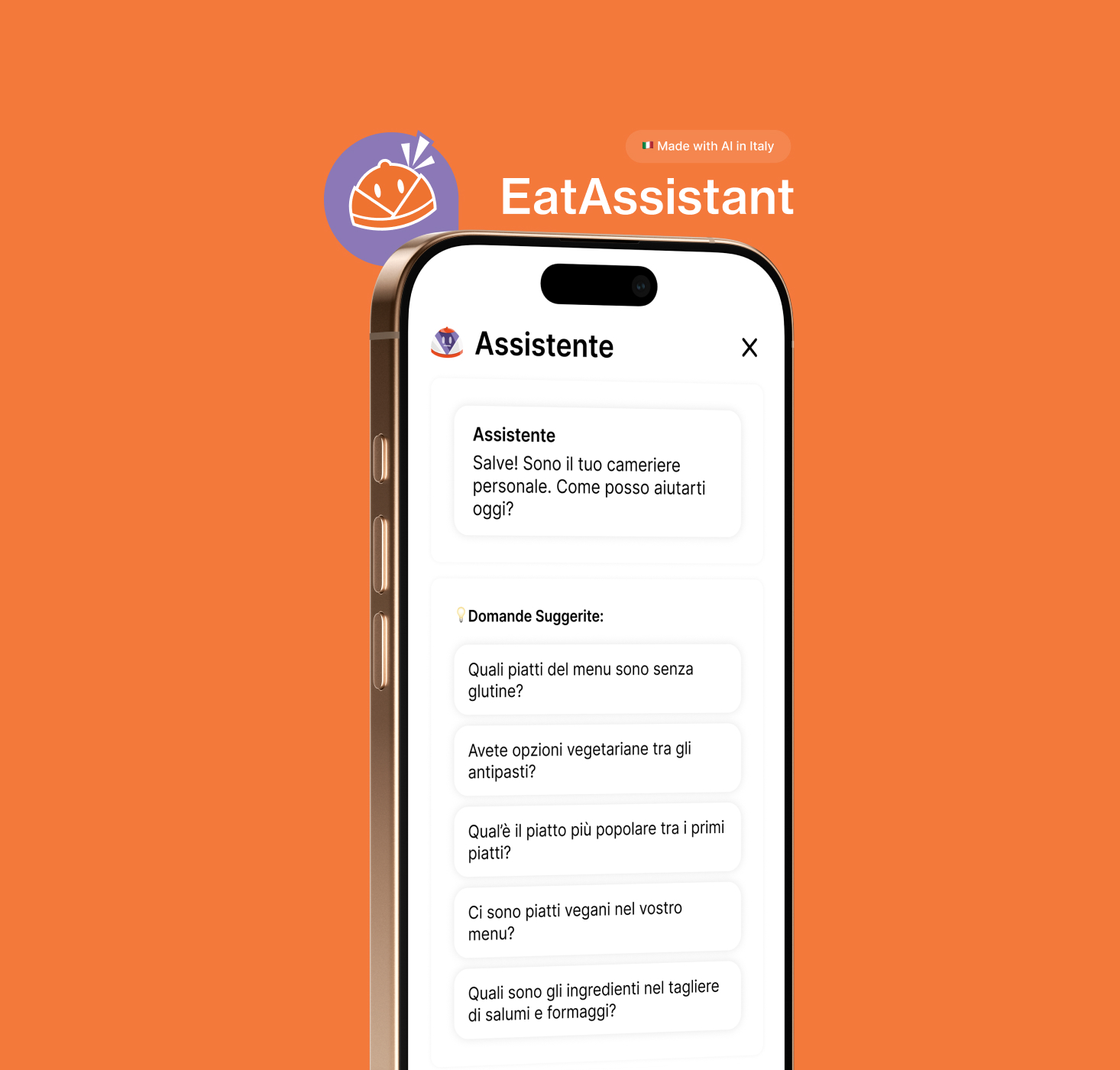
EatAssistant is a SaaS platform for the Italian restaurant market, built end to end as a studio venture. It swaps the static PDF menu for an interactive sales channel: an AI waiter that advises, upsells, and translates on the spot, with no app to download and no account to create.
The Italian HoReCa market runs 330,000 active businesses and sits halfway through a transition it hasn't finished. Forty-five per cent of restaurants have adopted a digital menu of some kind, and nearly all of those turn out to be PDF files behind a QR code. No interaction. No personalisation. No data coming back. Only 12% touch AI at all.
The cost of that is concrete, not theoretical. Upselling rides on staff who are already juggling four tables, so it happens or it doesn't depending on the night. Foreign customers order what they recognise instead of what they'd actually want. And owners shut the door each evening with no idea which dishes earned their keep or which tables fell flat. What the market was missing was a platform that treats the menu as an active sales instrument. That's the gap EatAssistant was built to fill.
A handful of choices at the very start set the shape of everything after. Each one cut against the standard startup playbook on purpose.
The usual move is to grab the email and build a CRM asset you can resell later. We went the other way. No registration, no friction, order placed in under a minute. Someone seated and hungry is worth more as a completed order than as a row in a database, and every step between scanning the code and placing the order bleeds conversions. We built the product to delete those steps, not add one.
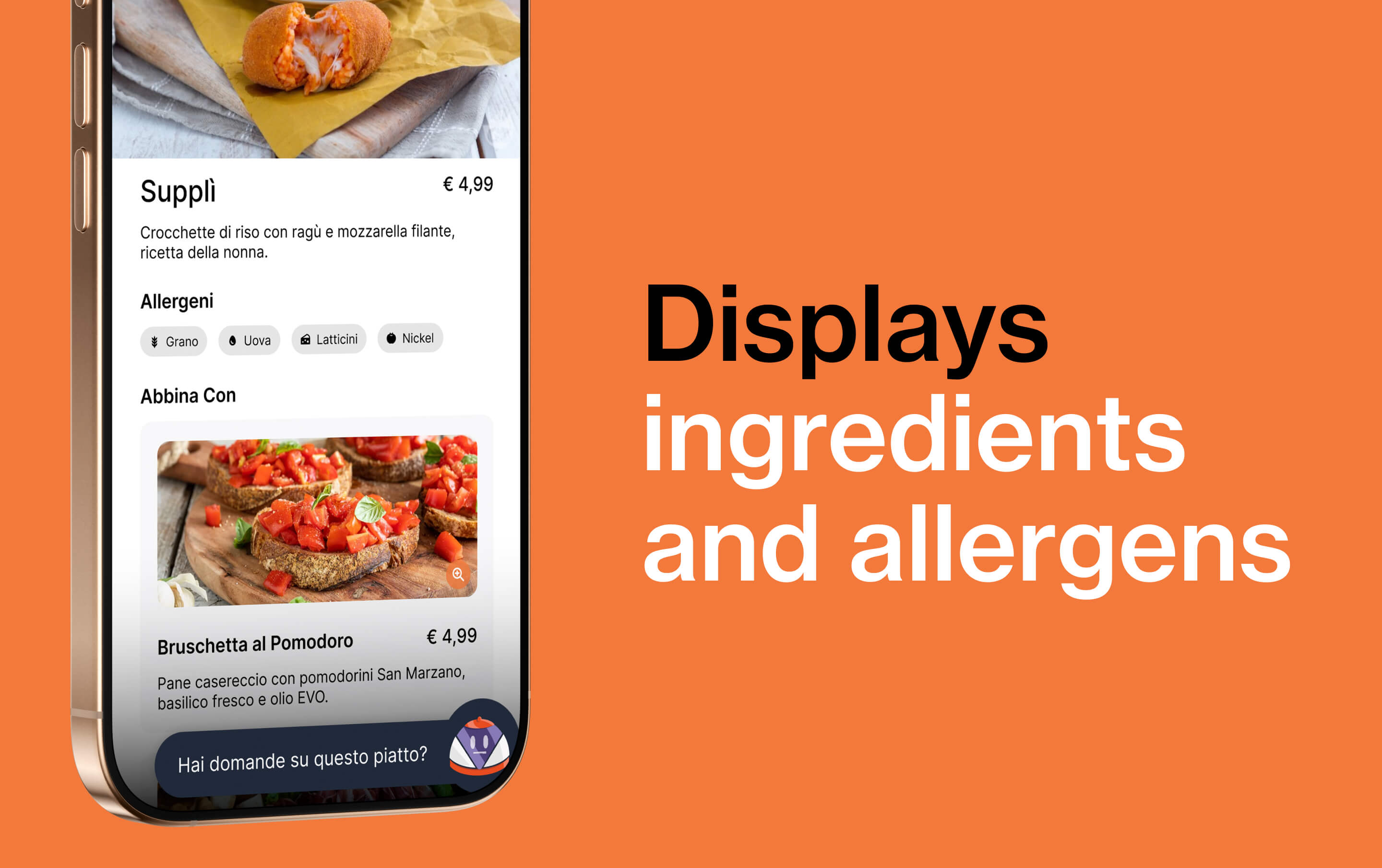
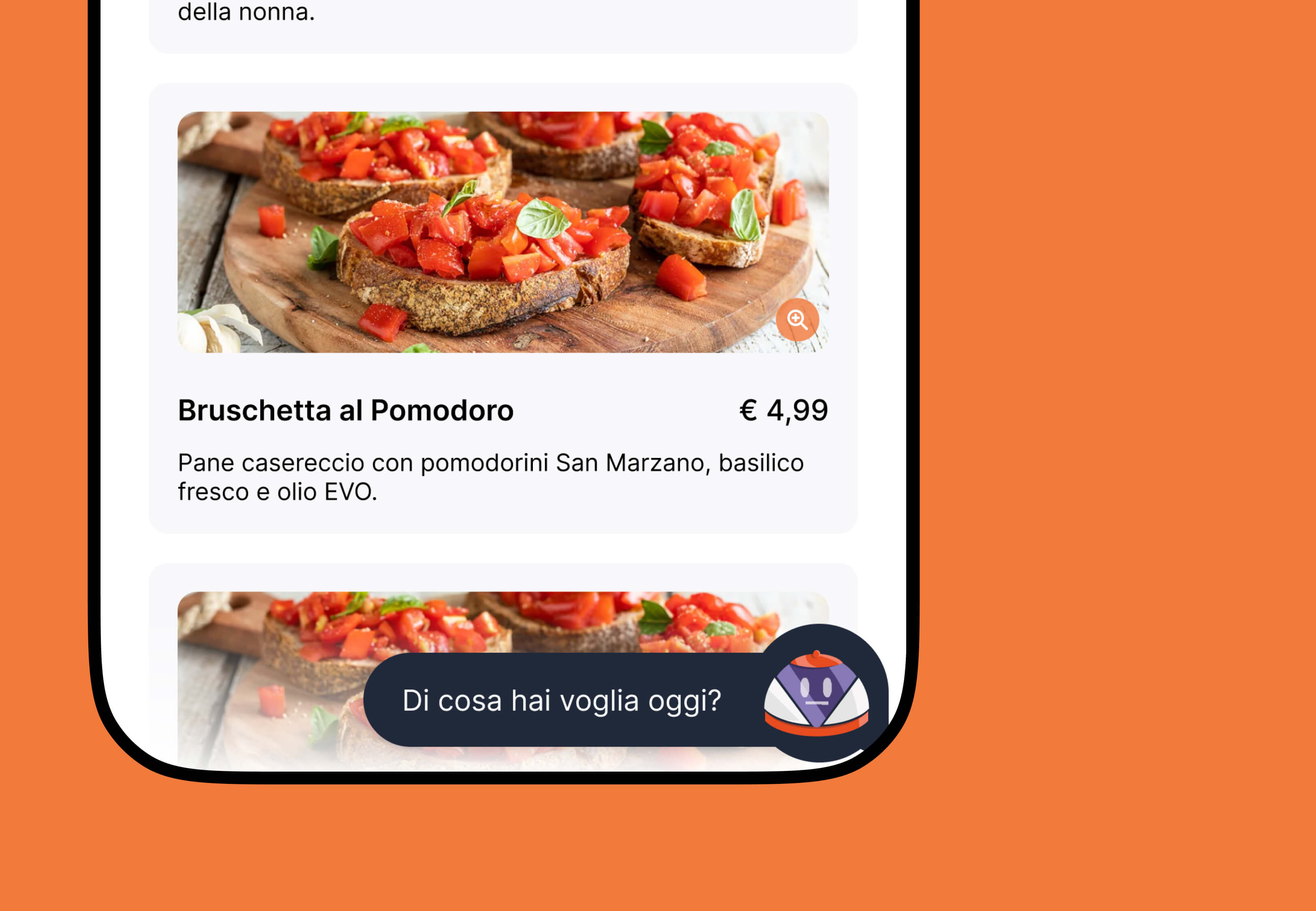
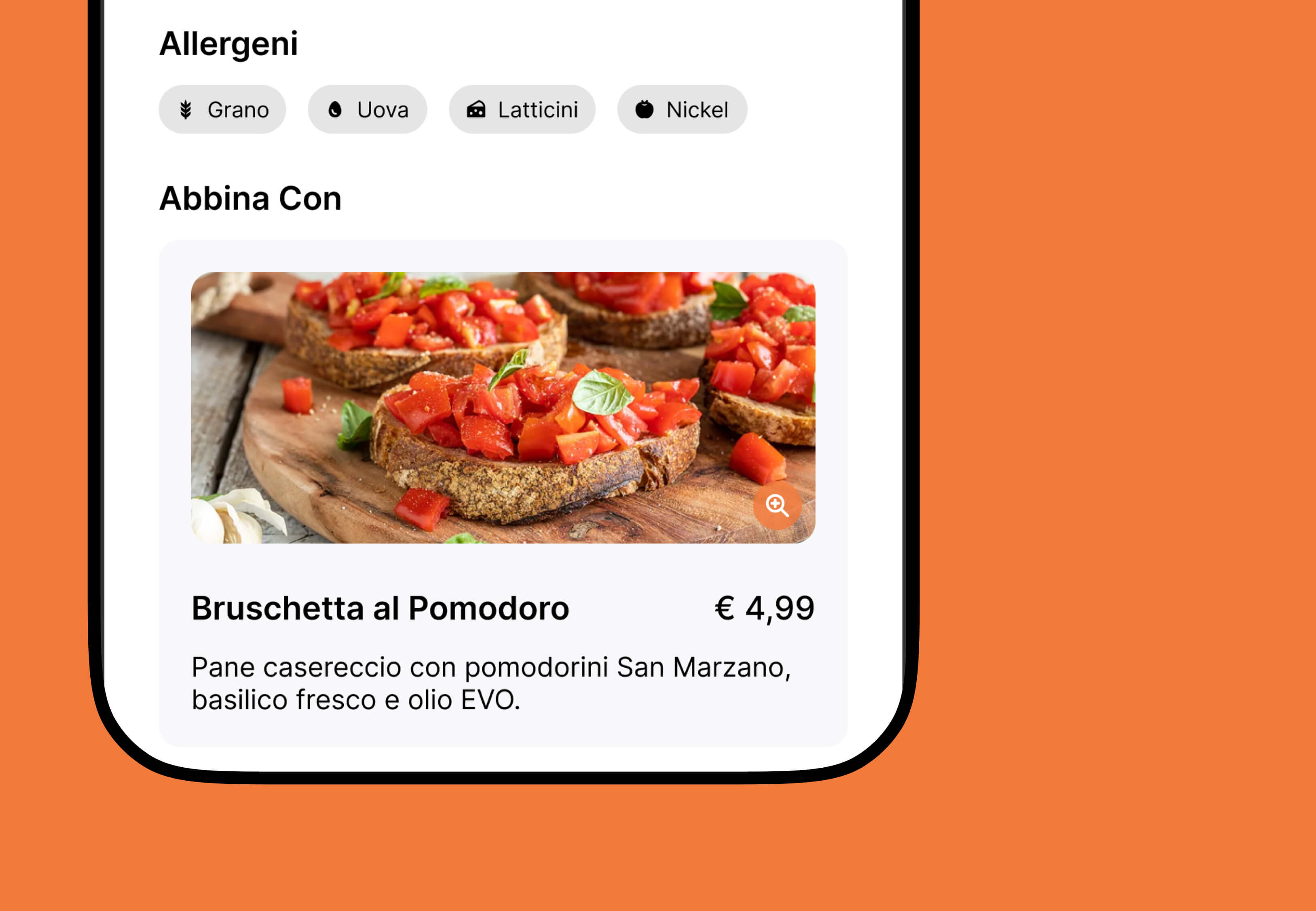
A plain off-the-shelf LLM would have shipped faster and cost less. It would also have handed us a trust problem no later feature could patch: in a restaurant, an AI that suggests a dish the kitchen doesn't make breaks the relationship right there at the table. Wiring the intelligence into real menu data, live, cost more engineering and was clearly the right spend. The AI can only suggest what actually exists, at the current price, with allergen data that's correct. That limit is the whole differentiator.
A marketplace escrow model would have given us more leverage and tidier cash management. It also parks the restaurateur's money with us as the middleman, gums up their accounting, and quietly erodes trust, which is fatal in a B2B SaaS where retention is a feeling that accrues over months. The direct flow trades away platform control for operator trust. Operator trust is the retention moat, so that's the trade we took.
Architecture and analytics fell straight out of those three calls. Five applications for five distinct users, all sharing one data layer, so every interaction from QR scan to suggestion accepted to payment stays measurable and queryable.
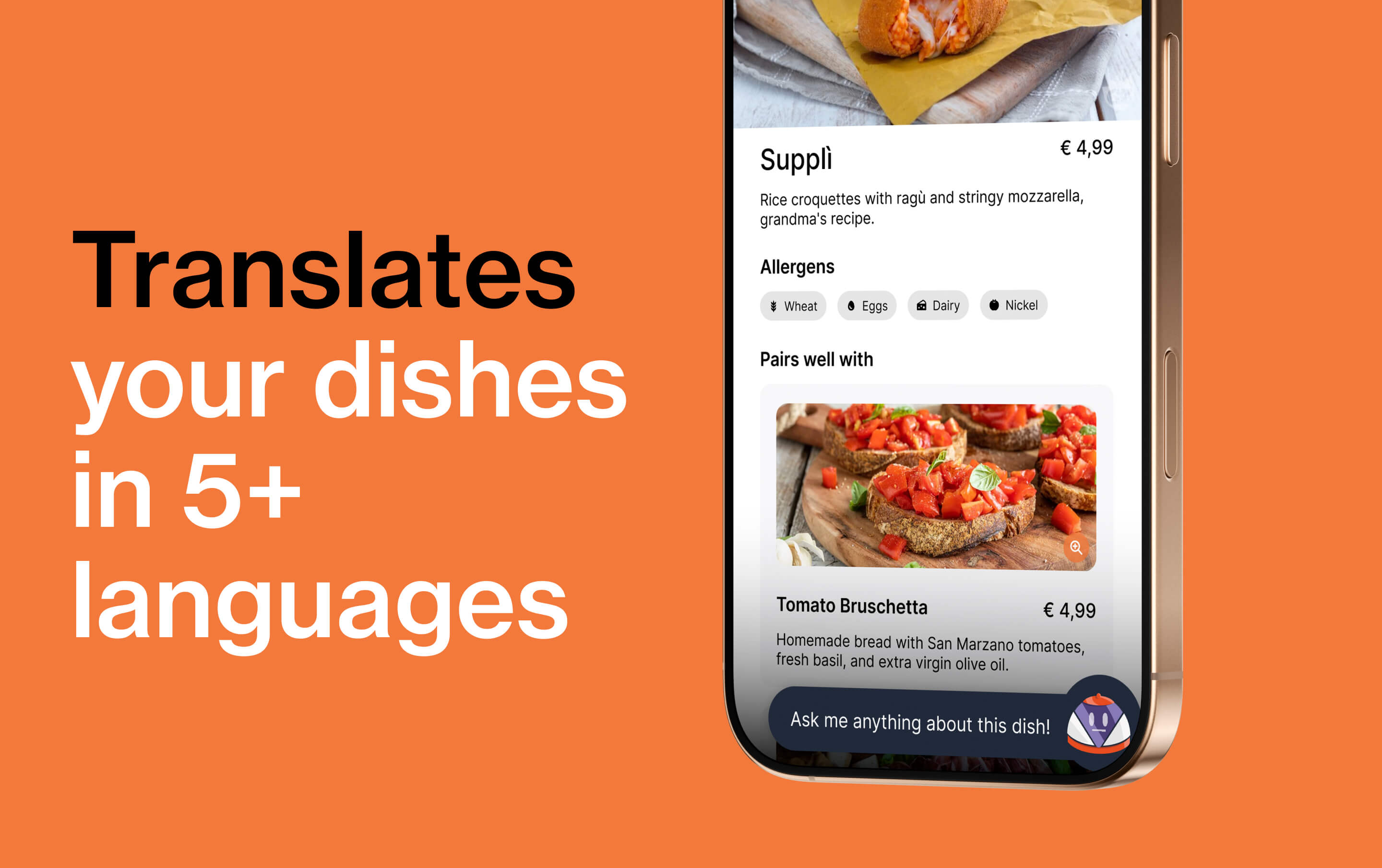
EatAssistant runs as five independent interfaces on a single backend that ties together every data point across the customer journey.
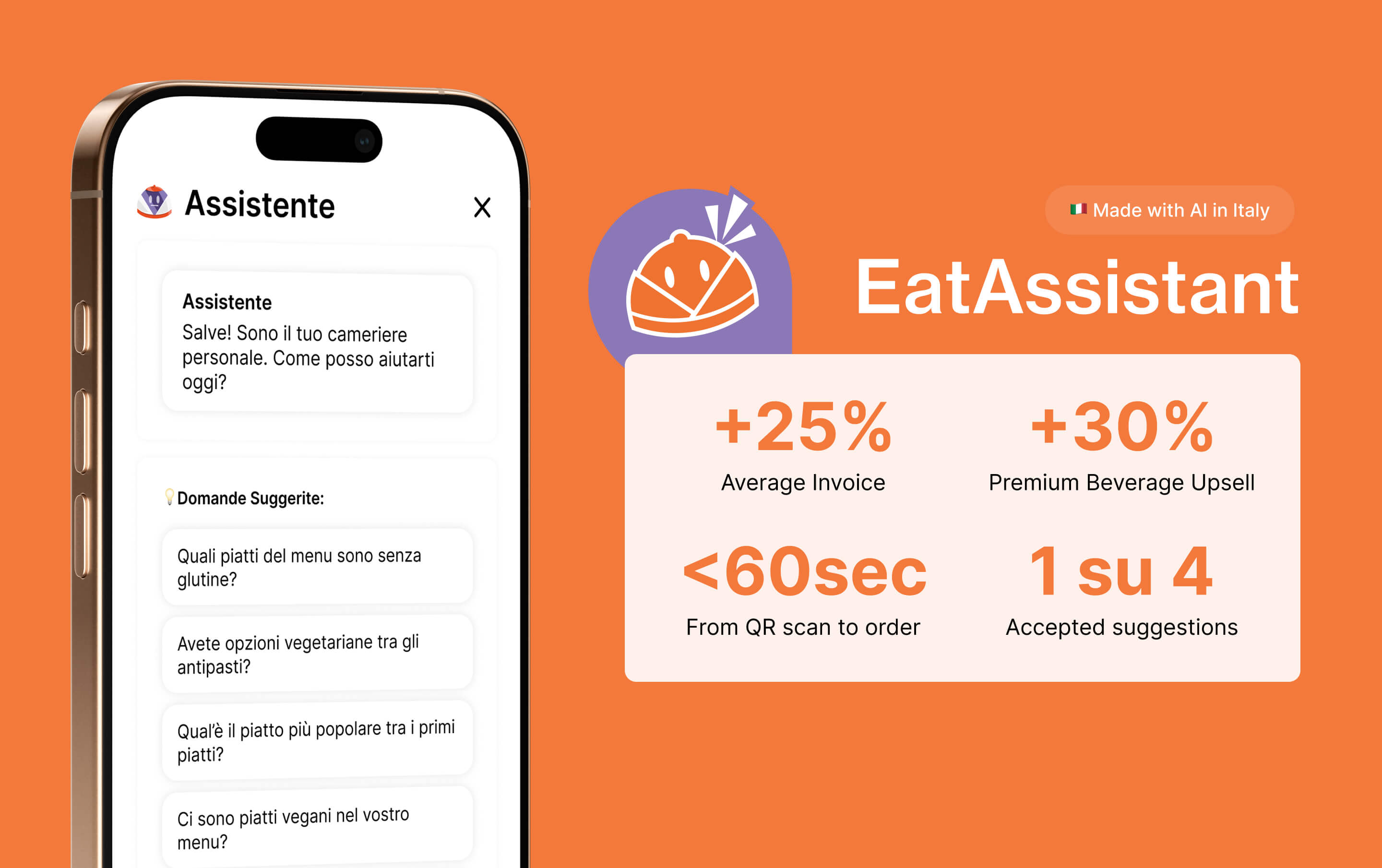
+25%
Average Ticket
per Table
+30%
Premium Beverage Upsell
per Table
10+
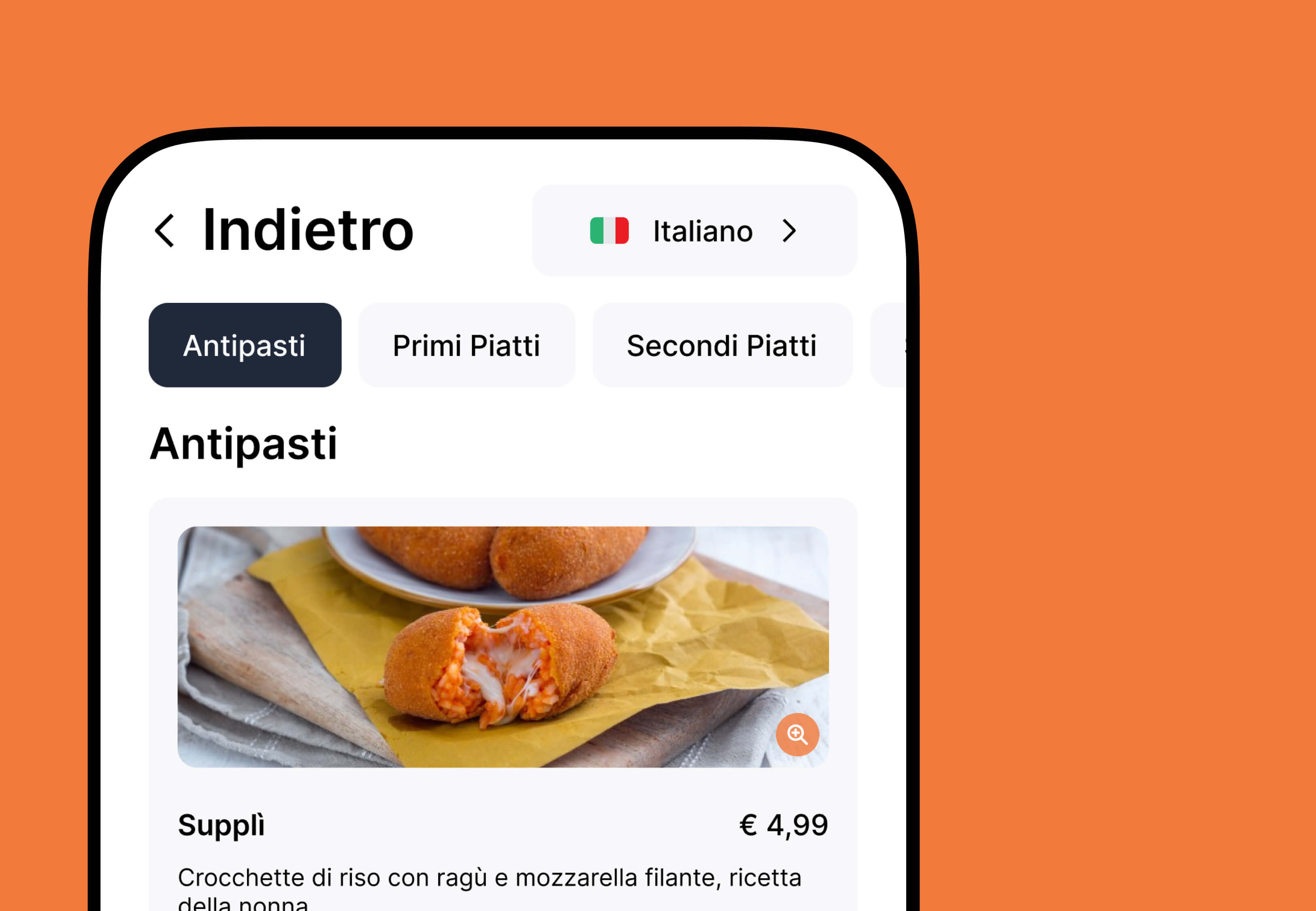
Automatic Languages
for all Foreign customers
1 in 4
Accepted AI Suggestions
Recieved a recommendation and add it to their order
Post-launch average across e-commerce rebuilds in the first quarter.
Post-launch average across e-commerce rebuilds in the first quarter.
Post-launch average across e-commerce rebuilds in the first quarter.
Post-launch average across e-commerce rebuilds in the first quarter.
We built EatAssistant and took it to market ourselves, owning every call from blank page to live revenue. If your idea needs a team that commits to the outcome that hard, tell us what you're building.

A few details about the project is enough to get the conversation started.



Fueling Brands.
%20(1).svg)